Players see updates. Behind each one is a pipeline most people never think about, and we have learned that the unglamorous parts decide how good an update feels.
Build, check, test, ship
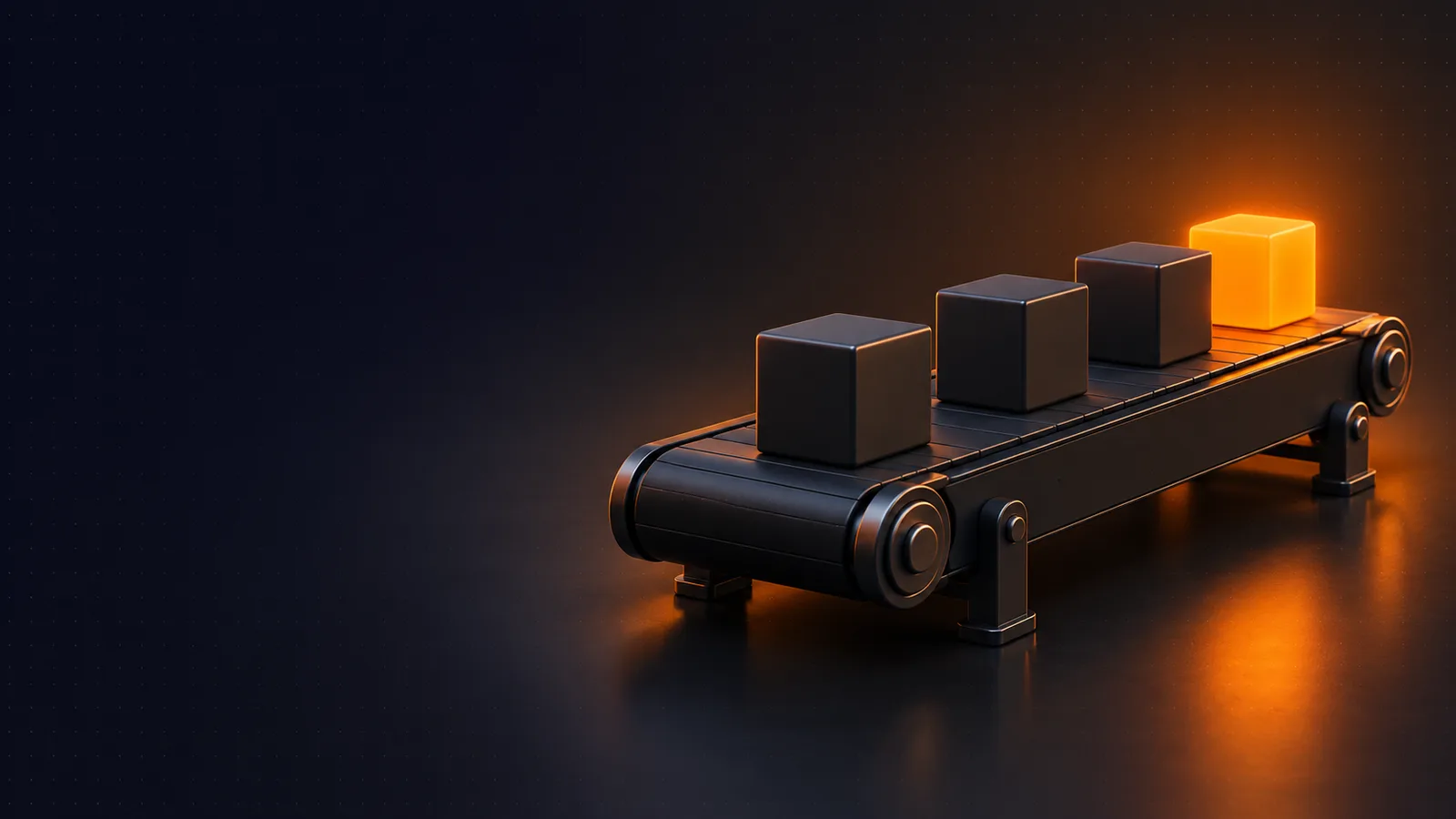
Every update goes through the same stages: build, automated checks, a human QA pass, then release. The point is not speed for its own sake. It is making the last step boring.
QA is a checklist plus judgement
We keep reusable QA checklists per game, and each run records what passed, what failed and what was skipped. The checklist catches the predictable things; testers catch the rest by actually playing.
Know the limits of your data
One lesson: a record of successful builds cannot tell you how often builds fail. It can show how long a good build takes, but not how reliable the process is. We note that limit next to the data so nobody reads a failure rate into it.
Comparable, or not at all
Timings and sizes only mean something when compared like for like: the same kind of build, on the same machine. Mixing them gives tidy charts and wrong conclusions.
Why bother
Small, regular, well-tested updates beat rare heroic ones. They are easier to roll back, easier to explain, and kinder to the people who play every day.